
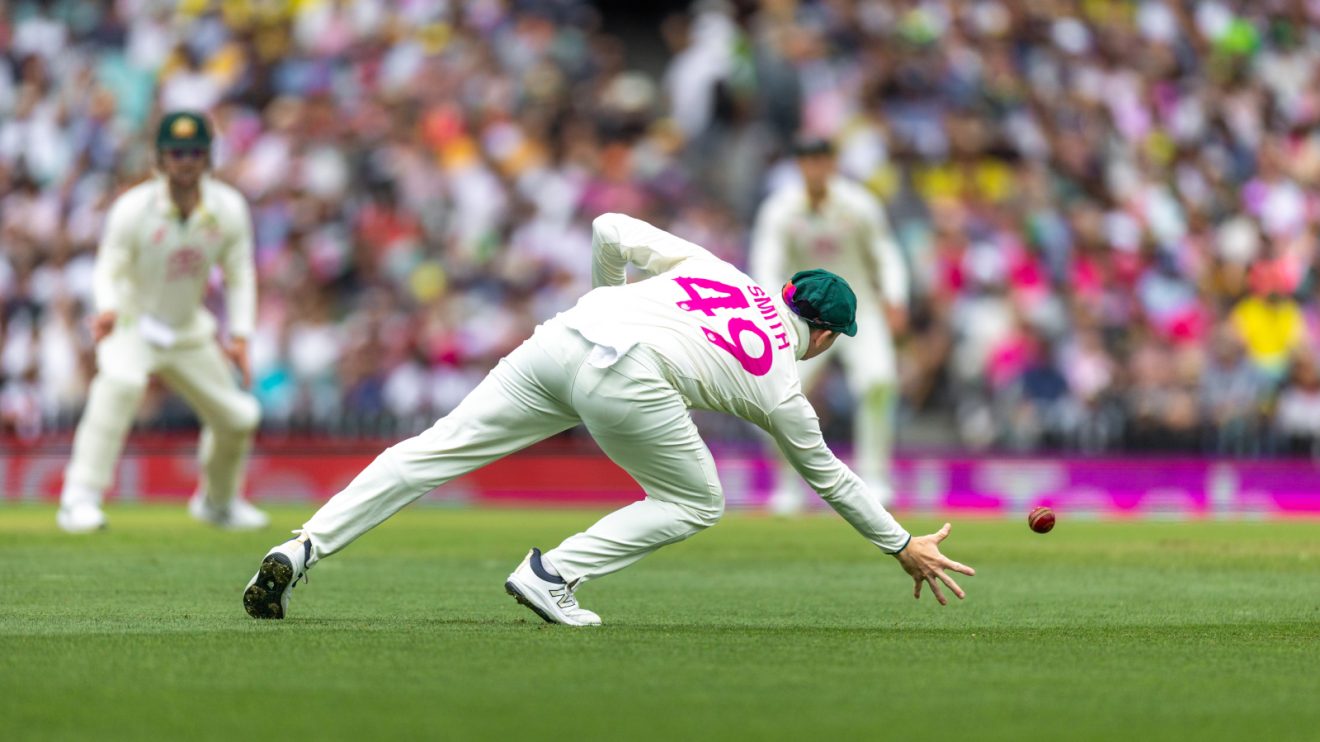
Catching is one of the most important skills in Test cricket. A sharp catch at slip, a diving effort in the outfield or a safe pair of hands close to the wicket can change the course of a match. Consistent catching reflects a fielder’s concentration, reflexes and ability to perform under pressure.
Steve Smith of Australia holds the record for the most catches in Test cricket by a non wicketkeeper, with 224 catches as of October 2026. England’s Joe Root follows with 220, while former Indian batter Rahul Dravid remains third with 210. For the overall record, including wicketkeepers, South Africa’s Mark Boucher leads with 532 Test catches.
Who Has Taken the Most Catches in Test Cricket?
Source: Yahoo Sports
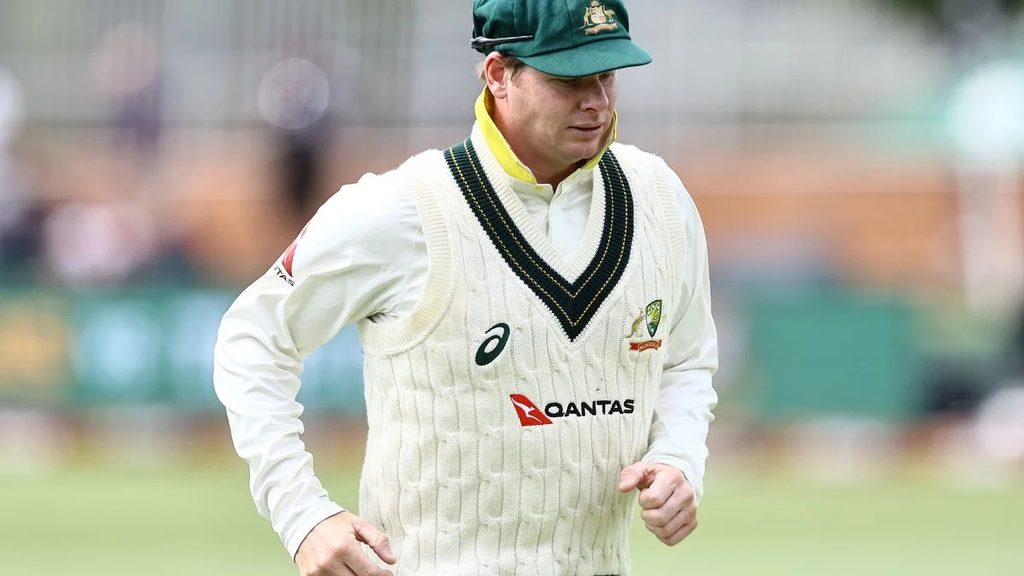
Steve Smith holds the record for the most career catches by a non wicketkeeper in Test cricket. He moved past Joe Root during the first Test between Australia and South Africa at Kingsmead in Durban in October 2026.
Smith reached the milestone through his outstanding work in the slips, where he regularly catches edges produced by fast bowlers and spinners. Mark Boucher holds the overall Test record with 532 catches, including those taken while keeping wickets.
Top 10 Players With the Most Catches in Test Cricket
The following table ranks the leading non wicketkeeper fielders by their career catches in Test cricket. Wicketkeeping catches are excluded from this list.
| Rank | Player | Team | Test Catches |
|---|---|---|---|
| 1 | Steve Smith | Australia | 224 |
| 2 | Joe Root | England | 220 |
| 3 | Rahul Dravid | India | 210 |
| 4 | Mahela Jayawardene | Sri Lanka | 205 |
| 5 | Jacques Kallis | South Africa | 200 |
| 6 | Ricky Ponting | Australia | 196 |
| 7 | Mark Waugh | Australia | 181 |
| 8 | Alastair Cook | England | 175 |
| 9 | Stephen Fleming | New Zealand | 171 |
| 10 | Graeme Smith | South Africa | 169 |
Records checked as of October 2026. The figures cover catches taken as a fielder, excluding catches made while acting as wicketkeeper.
1. Steve Smith: 224 Catches
Steve Smith holds the record for the most Test catches by a non wicketkeeper, with 224 as of October 2026. He overtook Joe Root during Australia’s first Test against South Africa at Kingsmead, Durban, on 11 October 2026.
Smith equalled Root’s tally by catching Temba Bavuma off Nathan Lyon, then took the record with a diving catch at second slip to dismiss David Bedingham off Pat Cummins. He finished the innings with four catches, demonstrating his exceptional reflexes and consistency in the slips.
2. Joe Root: 220 Catches
Joe Root ranks second with 220 Test catches as a non wicketkeeper. The England batter held the record before Smith moved ahead in October 2026.
Root reached his tally in 169 Tests and 323 fielding innings, compared with Smith’s 126 Tests and 240 fielding innings at the record breaking milestone. With both players active and only four catches separating them, the record could change again.
3. Rahul Dravid: 210 Catches
Source: BBC
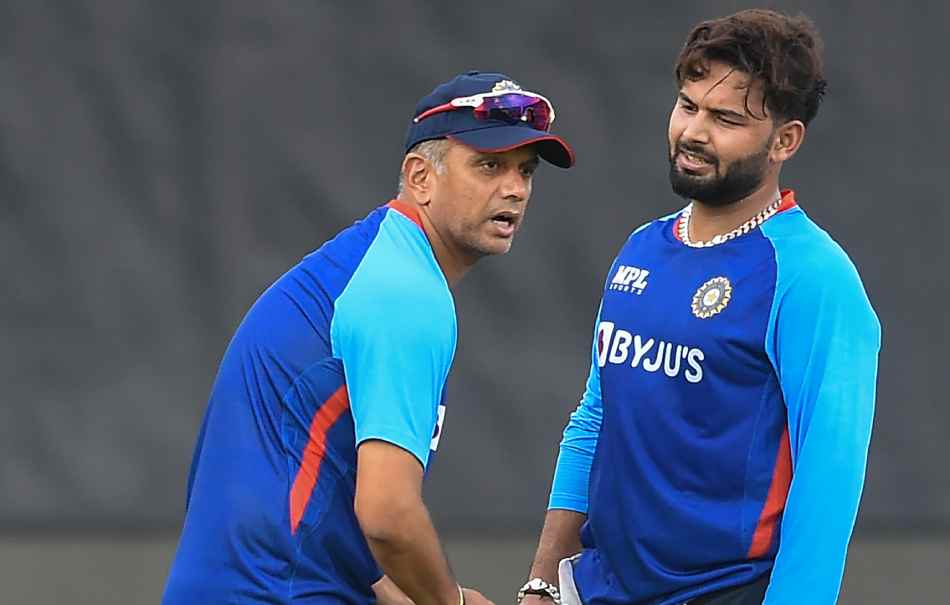
Rahul Dravid recorded 210 catches in Test cricket, placing him third among non wicketkeeper fielders. His concentration and technical discipline made him a dependable slip fielder for India.
Dravid retired from international cricket in 2012, but his catching record remained a benchmark for years. His safe hands played an important role in India’s bowling performances across a long international career.
4. Mahela Jayawardene: 205 Catches
Mahela Jayawardene took 205 Test catches for Sri Lanka during his international career from 1997 to 2014. He regularly fielded in the slips and other close catching positions.
His reliable fielding complemented his achievements as a batter and captain. Jayawardene remains among the most successful non wicketkeeper fielders in Test cricket history.
5. Jacques Kallis: 200 Catches
Jacques Kallis completed 200 Test catches for South Africa during a career that lasted from 1995 to 2013. He was one of cricket’s leading all rounders, contributing with both bat and ball.
His catching record highlights another important part of his contribution to South African cricket. Kallis combined batting, bowling and dependable fielding throughout his international career.
6. Ricky Ponting: 196 Catches
Former Australia captain Ricky Ponting recorded 196 Test catches between 1995 and 2012. He was known for his athletic fielding, quick reactions and strong throwing arm.
Ponting contributed through catches, direct hits and stops in the field. His performances supported Australia during one of the most successful periods in the team’s history.
7. Mark Waugh: 181 Catches
Source: mykhel
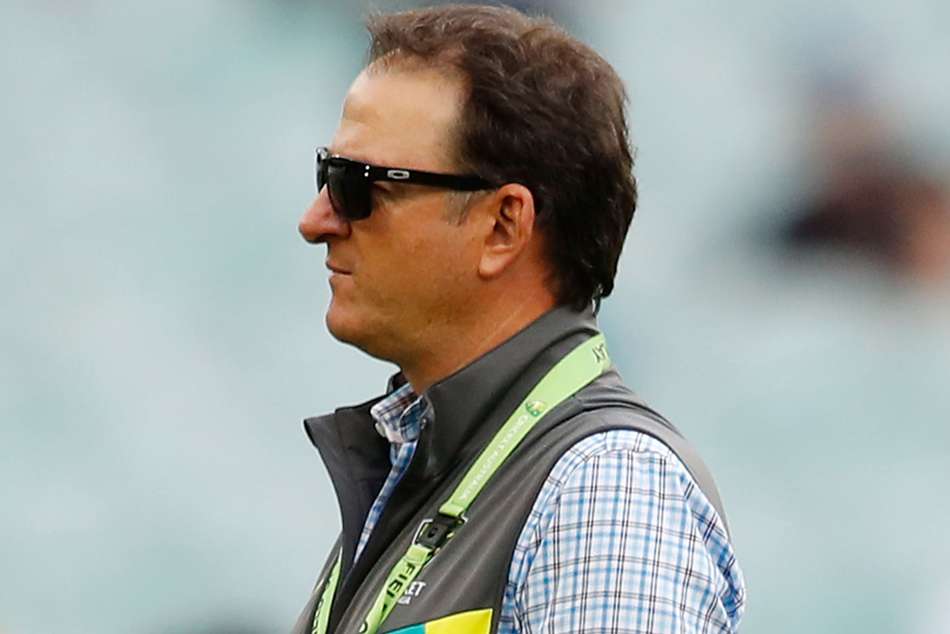
Mark Waugh recorded 181 Test catches for Australia, with his Test career running from 1991 to 2002. He developed a reputation for elegant batting and excellent slip fielding.
His catching record highlights the importance of consistency in close catching positions. Waugh’s reliable hands helped Australia’s bowlers turn edges into wickets throughout his career.
8. Alastair Cook: 175 Catches
Alastair Cook took 175 Test catches for England during his international career from 2006 to 2018. Although best known for his opening batting, he also made a significant contribution in the field.
Cook played 161 Tests and maintained his concentration across long matches. His record shows how positioning and consistency can make a batter a dependable fielder.
9. Stephen Fleming: 171 Catches
Stephen Fleming recorded 171 Test catches for New Zealand and played international cricket from 1994 to 2008. He also captained his country in numerous important matches.
His catching record adds to his contribution as a leader and batter. Taking 171 catches across a Test career reflects sustained concentration and reliable technique.
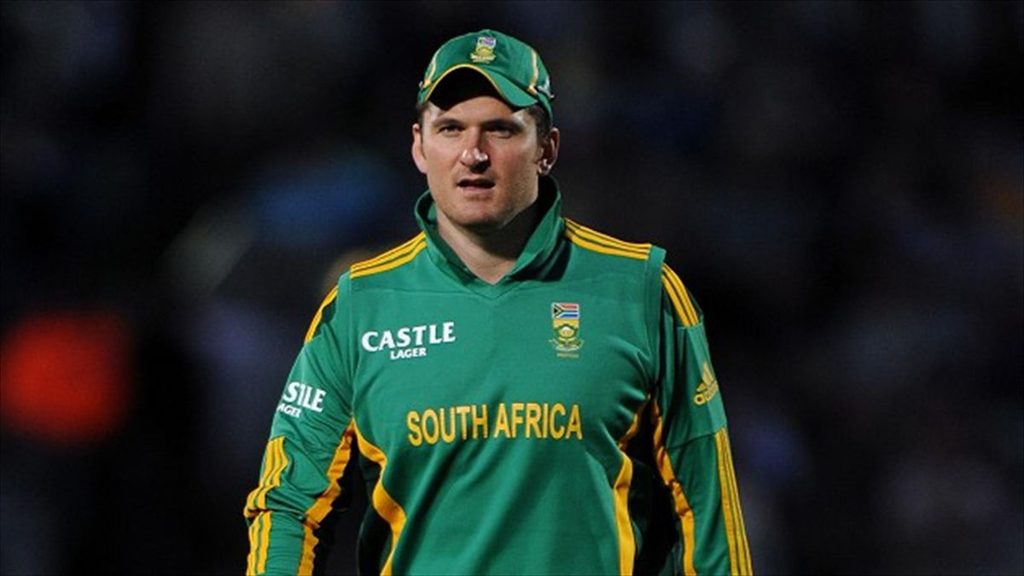
10. Graeme Smith: 169 Catches
Source: ICC
Former South Africa captain Graeme Smith completed the top 10 with 169 Test catches. He played 117 Tests between 2002 and 2014 and became one of the country’s most recognisable cricket leaders.
Smith was primarily known for his opening batting and captaincy, but his fielding also contributed to South Africa’s performances. His record demonstrates the value of dependable catching alongside other responsibilities in the team.
Why Are Catches So Important in Test Cricket?
Catches are crucial because they convert bowling pressure into wickets. A bowler can beat the bat repeatedly, but the chance must be taken when it finally comes.
Slip fielders are particularly important in Test cricket. They stand close to the wicket to catch edges from deliveries that move away from the batter. The position requires quick reflexes, soft hands and an understanding of how the ball may behave on different pitches.
Outfield catches are equally valuable. Players must judge the ball’s flight, adjust their movement and maintain control while running or diving. Dropped catches can allow a batter to score heavily, while a difficult catch can shift momentum immediately.
Consistent fielding also helps bowlers maintain pressure. When fielders take their chances, bowlers can attack with greater confidence rather than worrying that good deliveries will go unrewarded.
FAQs
Steve Smith holds the record for the most Test catches by a non wicketkeeper, with 224 catches as of October 2026. Mark Boucher holds the overall record, including wicketkeepers, with 532 catches.
Joe Root has taken 220 catches as a non wicketkeeper in Test cricket, placing him second on the all time list as of October 2026.
Rahul Dravid took 210 catches in Test cricket as a fielder, excluding catches taken while keeping wickets.
The top 10 ranking covers catches taken by players while fielding as non wicketkeepers. Wicketkeeping catches are counted in separate records. Mark Boucher’s overall record of 532 Test catches includes his work as a wicketkeeper.
Rahul Dravid holds the Indian record in this non wicketkeeper category with 210 Test catches.
Conclusion
The record for the most catches in Test cricket by a non wicketkeeper belongs to Australia’s Steve Smith, who reached 224 catches by October 2026. Joe Root follows with 220, while Rahul Dravid remains India’s leading player in this category with 210. Mark Boucher holds the overall Test record, including wicketkeepers, with 532 catches.
Smith’s record breaking performance against South Africa in October 2026 stands out because he overtook Root in fewer Tests and fielding innings. These records demonstrate the importance of reliable fielding in the longest format, where a safe pair of hands can turn a good bowling spell into a match winning performance.